


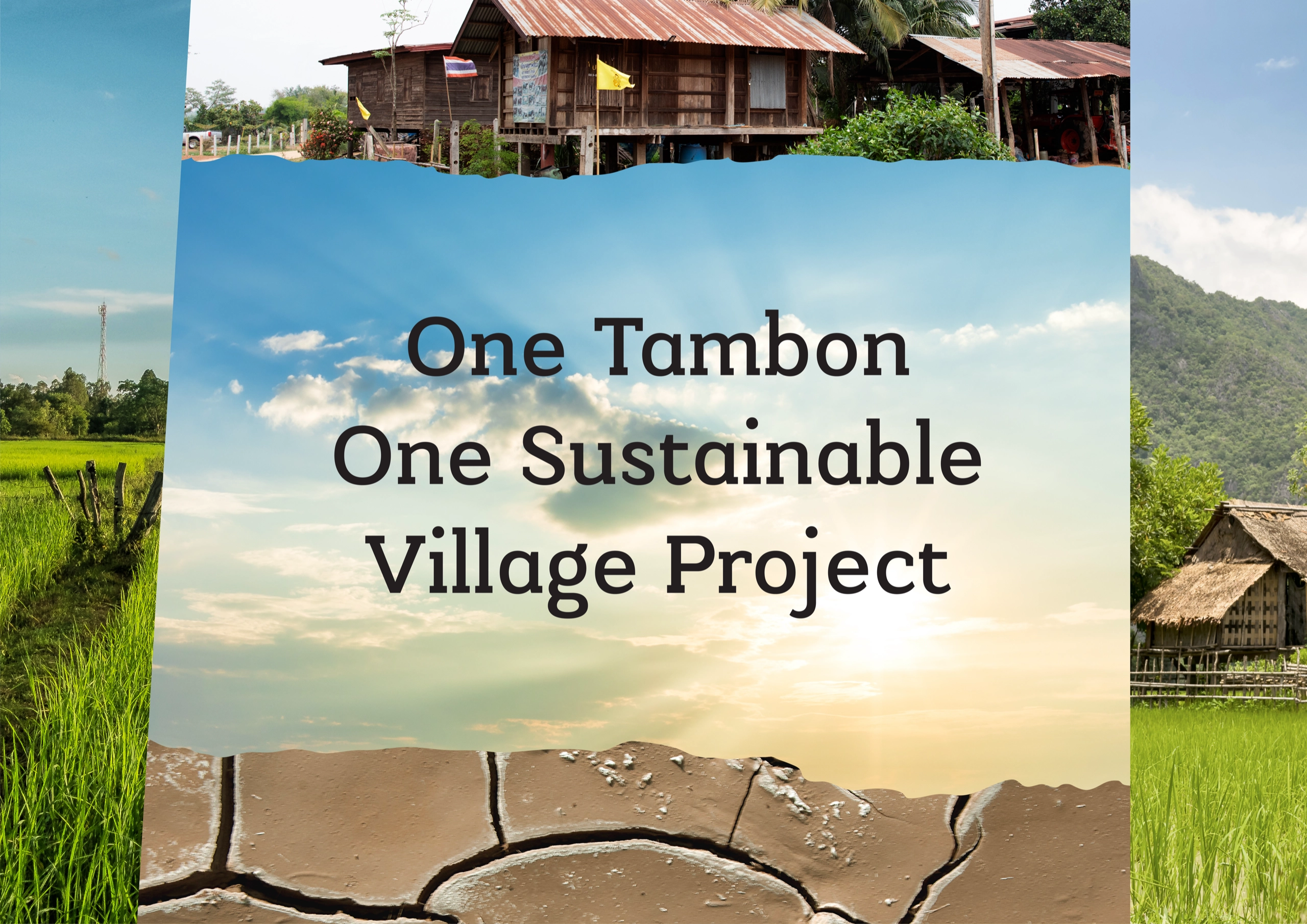




One Tambon One Sustainable Village Project
One Tambon One Sustainable Village Project
Ministry of Interior, committed to enhancing the livelihood of people, recognises changes in the environment and lifestyle resulting from excessive resource use as a root cause of unsustainable development, which poses a negative impact on the future of humanity and Earth, our only habitat. Therefore, sustainable development is not only a solution for the future but also an urgent agenda to ensure a truly bright and sustainable future.
HRH Princess Sirivannavari Nariratana Rajakanya, with an aspiration to promote the quality of life for the people, has bestowed the “Sustainable Village” initiative upon Ministry of Interior to be implemented through Community Development Department. This initiative has been launched as the “One Tambon One Sustainable Village Project” to honour the auspicious 3rd Cycle and 36th Birthday of HRH Princess Sirivannavari Nariratana Rajakanya.
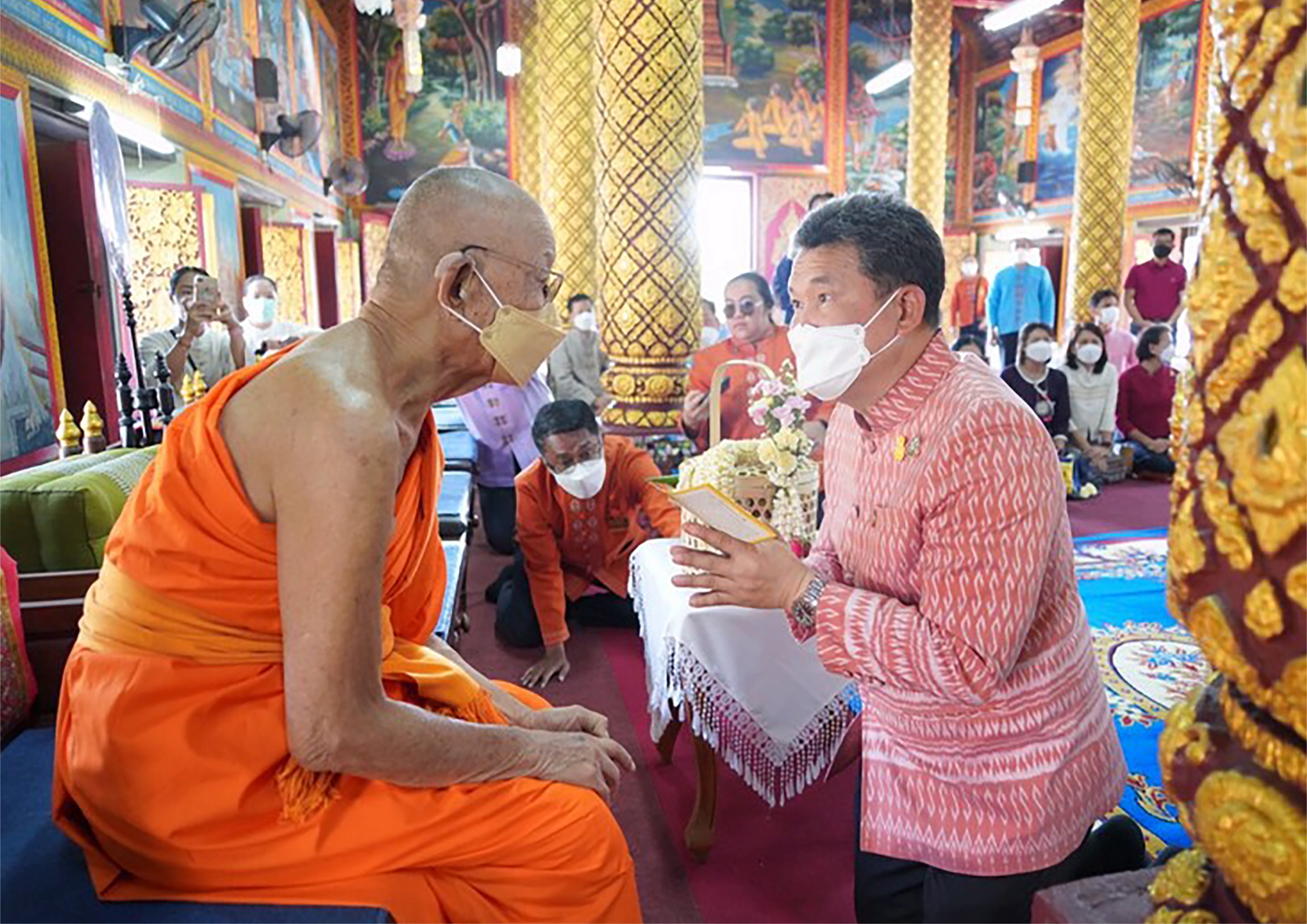
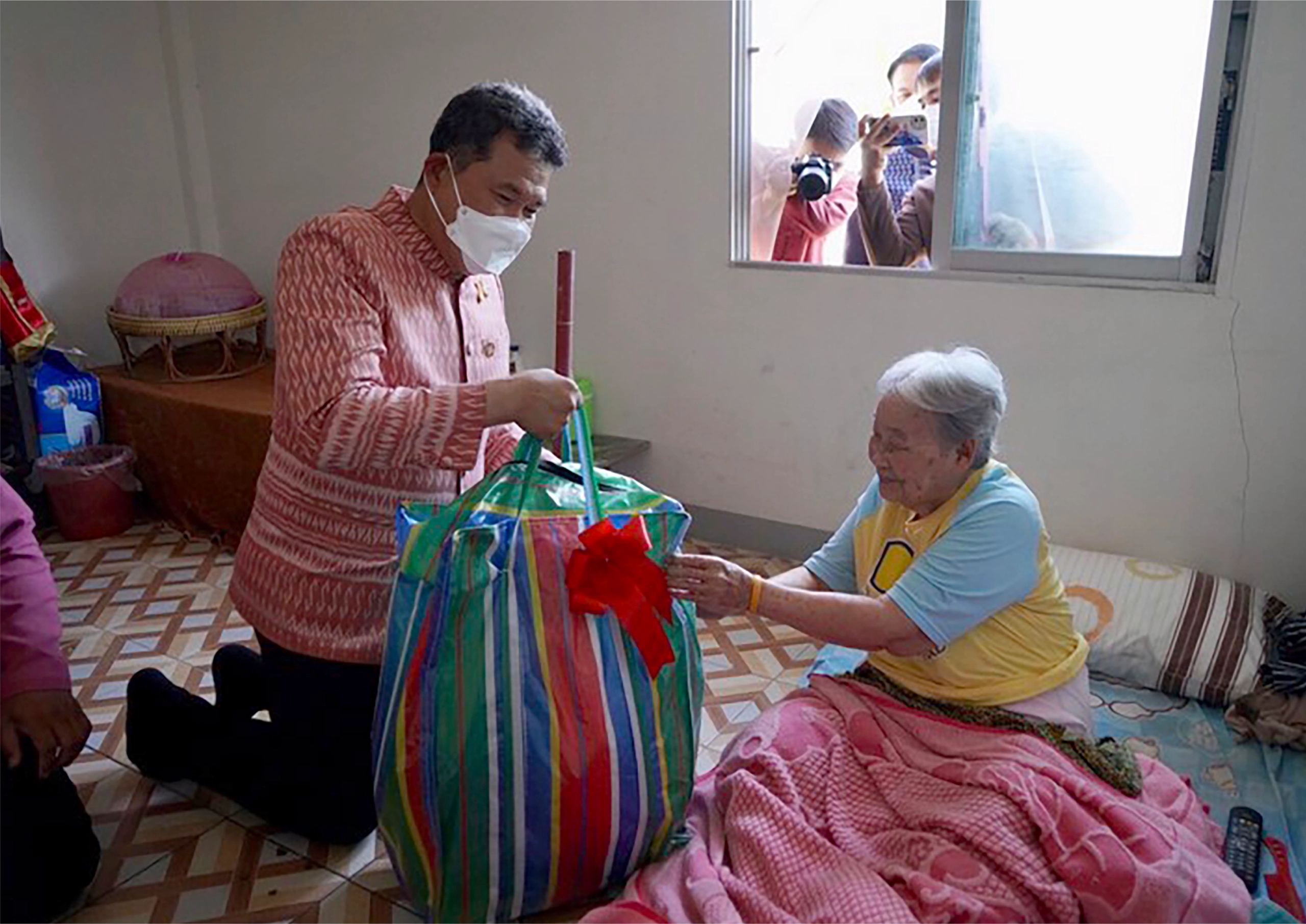
The “One Tambon One Sustainable Village Project” encompasses one village from each district (Tambon), totaling 7,255 villages/communities facing challenges like poverty, natural disasters, and drug addiction. This project adopts the Sufficiency Economy Philosophy of His Majesty King Bhumibol Adulyadej The Great, aiming to enhance livelihoods and reduce inequality. It involves collaboration across central, village, and community levels and integrates efforts from seven key sectors: Public, Religious, Private, Mass Communications, Academic, Civil Society, and Community.
The “One Tambon One Sustainable Village Project” serves as a successful model for raising awareness of environmental consciousness and sustainable development in all aspects. It focuses on reducing energy use and greenhouse gases while also strengthening the economic, societal, and environmental balance to support community growth. The project has empowered communities nationwide to pursue sustainability in their economies, societies, and environments.
Additionally, the project fosters engagement and cooperation among community members in decision-making and operations, tailoring sustainable development to meet the unique local needs of each area. It also educates community members on efficiently and responsibly using local resources by introducing new concepts in energy use, water management, and space utilisation, all aimed at sustainable development. This approach not only strengthens community values but also enhances sustainable happiness and livelihoods.