Growing Indigo
Growing Indigo
HRH Princess Sirivannavari Nariratana Rajakanya’s “Sustainable Fashion” initiative advocates for the weaving community to embrace environmentally friendly processes in fabric creation from start to finish. Implemented successfully by Community Development Department of Ministry of Interior, the “Donkoi Model to Global Market” project has encouraged local villagers to grow indigo trees for their own dye production, thereby promoting sustainable development within their own community.
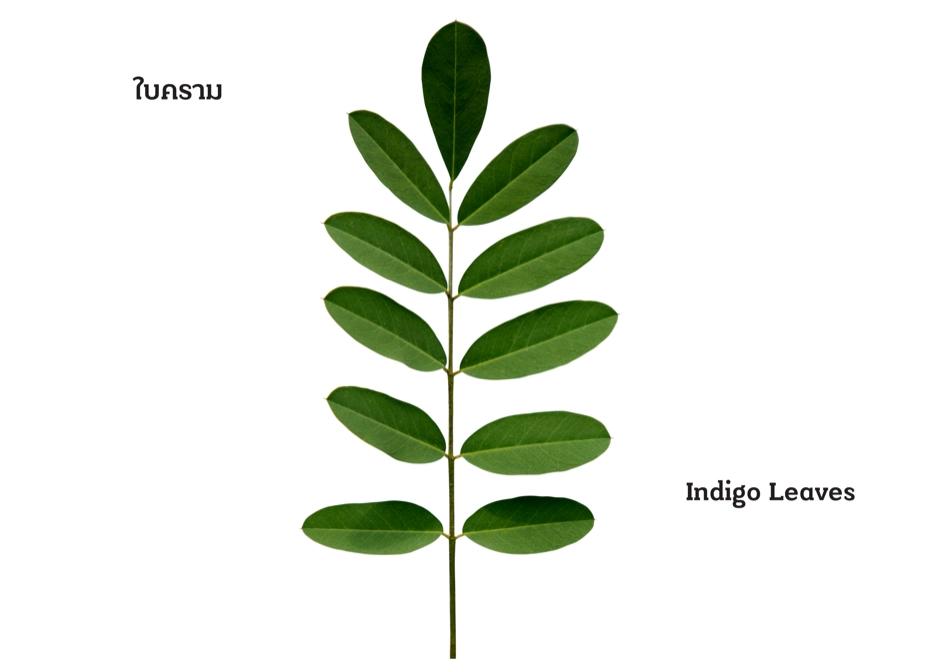
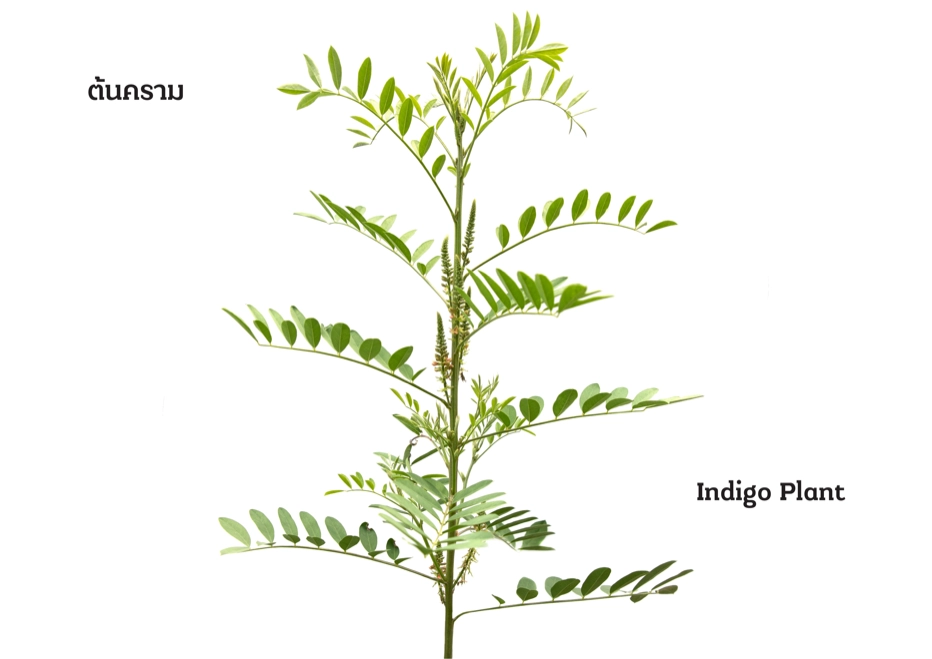
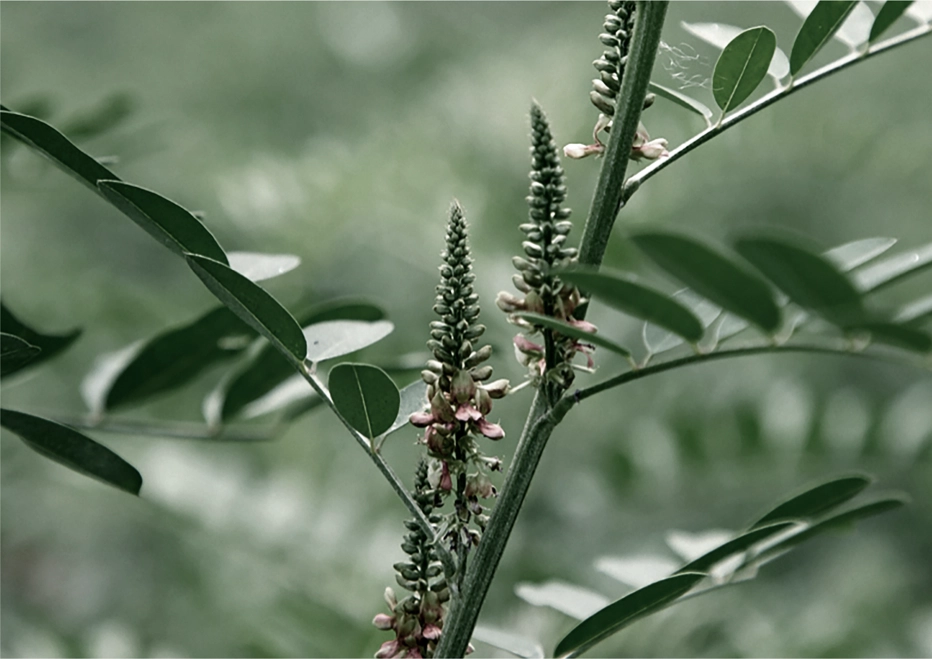
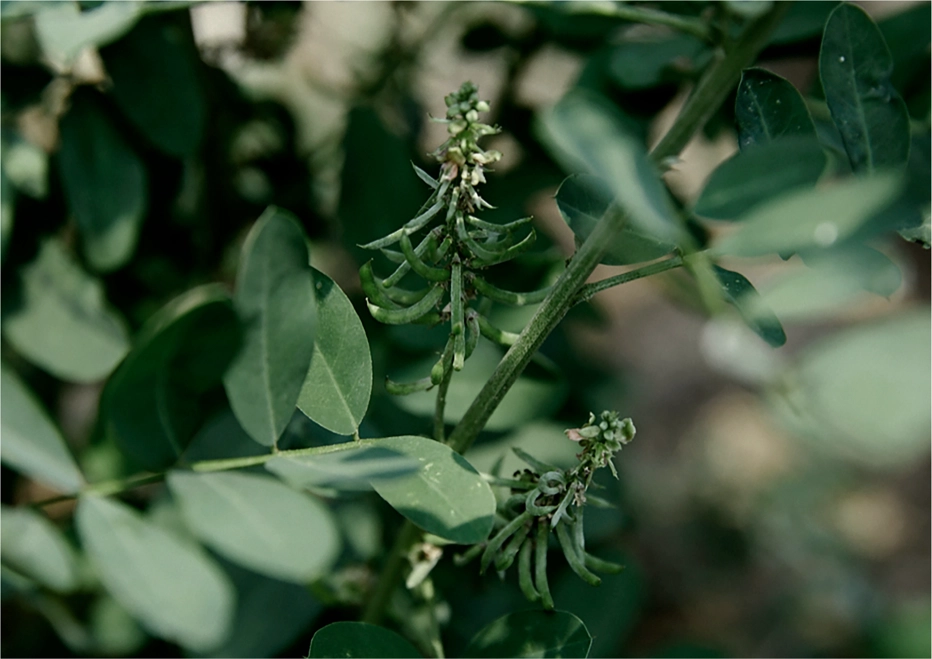
An indigo tree, native to tropical regions, contains indican. Upon contact with water, indican produces “indoxyl,” which turns into indigo blue upon exposure to air, serving as a key dye precursor for fabric fibers.
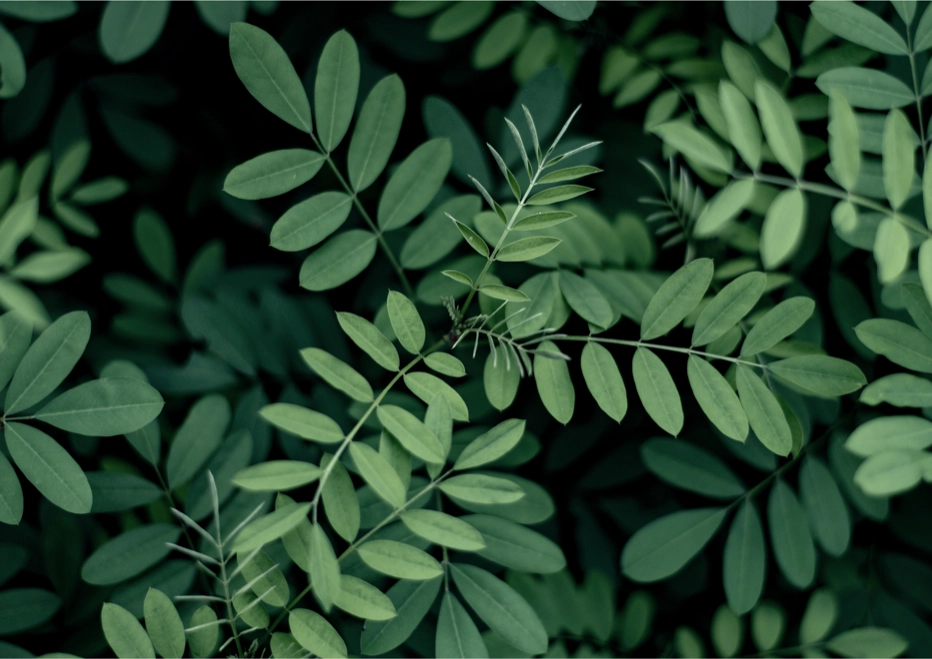
For optimal growth, plant indigo trees in well-draining soil. Clear grass around the tree when it’s 6 inches tall for full sunlight, intensifying the indigo hue. At 3-4 months, the tree blooms with dark green leaves that may release blue droplets in the morning, making it ideal time for collection to achieve rich color.